Managing Covid-19’s Impact On Small Businesses: A Conversation With Wisconsin State Treasurer Sarah Godlewski
nat rosasco • December 3, 2020
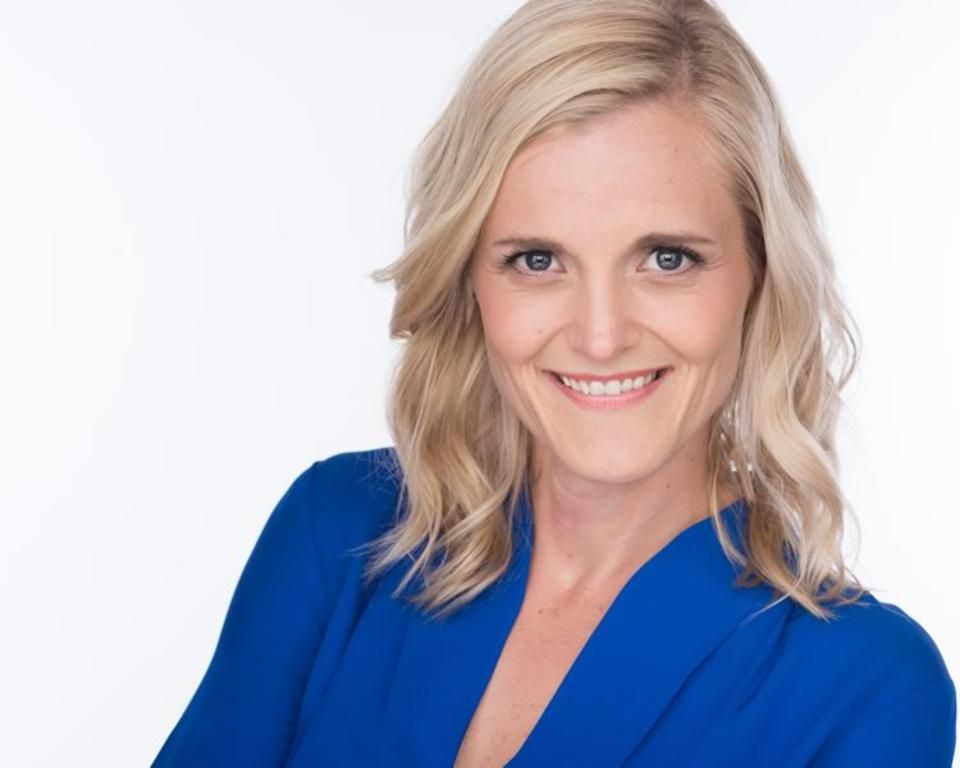
Sarah Godlewski, Wisconsin State Treasurer
COURTESY SARAH GODLEWSKI
Covid-19’s impacts are being felt in every community. While federal programs have been created to support businesses and their employees, most notably the Paycheck Protection Program (PPP), the majority of the management is being handled at the state level.
Wisconsin has experienced more than 400,000 Covid-19 cases and its small businesses and economy have been disrupted by the adjustments that have been made because of the pandemic. Despite this upheaval, businesses, government agencies, and consumers have come together to keep the economy afloat.
I recently had the opportunity to speak with Wisconsin State Treasurer Sarah Godlewski, who serves as the state’s chief banker. I am grateful to her for taking the time to speak with me; below is a summary of our conversation.
Rhett Buttle: How has Covid-19 challenged or affirmed how you think about the financial security of small businesses and their employees in your state?
Sarah Godlewski: Before I was elected the State Treasurer of Wisconsin, I founded a small business that invested in and worked with start-up companies. I loved working with founders and entrepreneurs because they are some of the most enterprising, hard working people I know. I’ve seen firsthand how small businesses are the backbone of our economy. They are what make Wisconsin, Wisconsin as small businesses make up 99% of our state’s economy. And yet, small businesses, by definition, often have the least resources. Despite these businesses best efforts to plan for financial uncertainty, Covid-19 is something no one ever imagined. Under these extraordinary circumstances, the best way for us to get through this crisis is by doing it together.
Here in Wisconsin, I’ve seen citizens, government, and businesses come together. Residents bought gift cards from their local stores or ordered take-out from their favorite restaurants. State and local governments launched grant programs to help hard-hit businesses. Small businesses helped the community by providing free meals or personal protective equipment (PPE) to essential workers. Watching this reminded me that when the United States is united, we can get through anything.
It’s been over nine months since Covid-19 disrupted our communities, and many of the small business programs initiated at the onset of the pandemic are coming to a close. It is imperative that we continue to work together; doing what we can to buy local and encourage Congress to take the necessary actions to provide our small businesses with the resources they need to keep their doors open and their employees safe.
Buttle: How can states and organizations collaborate to support small businesses and their employees?
Godlewski: Wisconsin’s state legislature has been the least active full-time legislature in the country since Covid, leaving our state with minimal support to protect the health, safety, and economic well-being of our citizens. State agencies and local organizations are doing what they can to fill an unimaginable void created by the pandemic. While seeming like an insurmountable task, we spent the past seven months building unique partnerships, optimizing our capacity to help our small businesses and their employees.
When the pandemic hit, there was a lot of uncertainty. The Office of the State Treasurer partnered with the Small Business Administration (SBA) and local chambers to host virtual town halls to understand business owners’ concerns, answer their questions, and share information about developing resources. Exchange of information was an important starting point. It helped determine the greatest needs, biggest opportunities, and ways groups can work together. For example, our economic development agency in partnership with the minority chambers provided grant funding for minority and microbusinesses that were hardest hit by the pandemic. Additionally, the Governor’s Farm Aid Program provided over $50 million to smaller operations who were left out of the federal aid package.
Our partnerships continued by supporting the health and safety of our workers. My task force on homeownership immediately switched gears to focus on creating a foreclosure prevention program. The data from the 2009 Great Recession indicated how serious this problem could be for Wisconsin. Back then, Milwaukee property tax foreclosures increased from 70 in 2008 to over 400 in 2010. By partnering with county treasurers and local social service agencies, we were able to create a program that proactively identifies those citizens at risk of missing their property taxes due to underemployment or unemployment from Covid-19. The program provides them the resources and services to not only keep them in their homes but help them stay on their feet. Further, Governor Evers partnered with our local social service agencies to create a rental assistance program that helped thousands of renters impacted by this awful virus. While the uncertainty of the virus continues, it is important that we continue to grow and develop our partnerships across the state. Information sharing, innovation, and collaboration have and will continue to be essential in helping small businesses recover and keeping Wisconsinites safe.
Buttle: Governor Evers recently established a task force to evaluate retirement security in Wisconsin. What is the status of the task force?
Godlewski: Retirement security is vital for the wellbeing of Wisconsinites and the financial health of the state. One alarming statistic is that 88% of Wisconsinites do not feel financially prepared to retire and wished they saved more. This is understandable when the average monthly Social Security benefit is $1,443 a month. With healthcare costs and prescription drug prices on the rise, seniors are unable to live on Social Security alone. The Governor recognizes the current system is not working. After a lifetime of work, Wisconsinites deserve to have peace of mind and not worry about slipping into poverty. As chair of the Governor’s task force, we are working to find achievable, bipartisan solutions that work for everyone.
Our task force started by listening. We traveled the state hosting business roundtables, public listening sessions, and meeting people where they are at to understand the barriers to retirement. Do people have access to retirement tools at work? Are businesses offering retirement to their employees? A major theme from these listening sessions was access. Approximately 55 million Americans and almost 930,000 Wisconsinites do not have access or a way to save at work. Further, 80% of businesses in the Badger State agree retirement benefits would help them stay competitive but it’s either too costly, too complicated, or too time-consuming to make retirement available to their employees.
Then Covid hit, and we discovered another theme, saving. Wisconsinites found themselves out-of-work with no warning, and some were using their retirement savings to pay their bills. Their retirement account was their only form of emergency savings. While the people we spoke with knew they were putting themselves at risk, they had no other option.
The task force is now acting on this information through three committees: (1) Tax, Incentive, and Education; (2) Accessibility and Save; and (3) Universal Savings Strategies. The committees are working to provide a menu of recommendations that will address savings challenges, improve access, and reduce regulation and operational burdens. We look forward to delivering our recommendations to the Governor early next year and increasing retirement security for the people of Wisconsin.
Buttle: What types of programs and policies is the task force thinking about recommending to the governor? Godlewski: The task force is charged with delivering innovative reforms that will expand access, reduce regulatory and operational burdens, and encourage younger Wisconsinites to save earlier in life.
One opportunity the task force is exploring is an early savings program. The goal of this initiative is to harness the benefits of compound interest at an early age. At birth, the state would open a ROTH-like account for every child born in Wisconsin - a 401(k)ids account. This account could be seeded with a modest amount and, through an IRA-type of investment, would grow over the course of that child’s lifetime. For example, if you seed an account at birth with $250 dollars and contribute $50 annually, the account would be worth over $80,000 by age 65 (using the average retirement return of 7%). This retirement nest egg could make a significant difference particularly for low-income families that have little to no retirement savings by age 65.
Another opportunity the task force is considering is a state-facilitated retirement program. This program would provide a way for the 930,000 Wisconsinites who do not have access to employer-sponsored retirement plans to save through their jobs. Studies show Americans are 15 times more likely to save when they can do so out of their regular paycheck at work, and 20 times more likely when that savings is automatic. We know in today’s economy people are spending a shorter amount of time in one job or are part of the gig industry making it hard to save over time. A key feature of the state-facilitated program is portability - meaning the account would stay with the individual regardless of where they work. This public-private solution would be free for employers and would allow employees to save their own money for a secure retirement. Not only is this option beneficial for workers, but it also allows small businesses that are unable to offer retirement to stay competitive with larger corporations.
While these are just two of the opportunities that the task force is considering, I am looking forward to delivering actionable recommendations that will improve the lives of Wisconsinites for years to come.
This piece originally appeared in Forbes on December 1, 2020. You can view it online here .
Wisconsin has experienced more than 400,000 Covid-19 cases and its small businesses and economy have been disrupted by the adjustments that have been made because of the pandemic. Despite this upheaval, businesses, government agencies, and consumers have come together to keep the economy afloat.
I recently had the opportunity to speak with Wisconsin State Treasurer Sarah Godlewski, who serves as the state’s chief banker. I am grateful to her for taking the time to speak with me; below is a summary of our conversation.
Rhett Buttle: How has Covid-19 challenged or affirmed how you think about the financial security of small businesses and their employees in your state?
Sarah Godlewski: Before I was elected the State Treasurer of Wisconsin, I founded a small business that invested in and worked with start-up companies. I loved working with founders and entrepreneurs because they are some of the most enterprising, hard working people I know. I’ve seen firsthand how small businesses are the backbone of our economy. They are what make Wisconsin, Wisconsin as small businesses make up 99% of our state’s economy. And yet, small businesses, by definition, often have the least resources. Despite these businesses best efforts to plan for financial uncertainty, Covid-19 is something no one ever imagined. Under these extraordinary circumstances, the best way for us to get through this crisis is by doing it together.
Here in Wisconsin, I’ve seen citizens, government, and businesses come together. Residents bought gift cards from their local stores or ordered take-out from their favorite restaurants. State and local governments launched grant programs to help hard-hit businesses. Small businesses helped the community by providing free meals or personal protective equipment (PPE) to essential workers. Watching this reminded me that when the United States is united, we can get through anything.
It’s been over nine months since Covid-19 disrupted our communities, and many of the small business programs initiated at the onset of the pandemic are coming to a close. It is imperative that we continue to work together; doing what we can to buy local and encourage Congress to take the necessary actions to provide our small businesses with the resources they need to keep their doors open and their employees safe.
Buttle: How can states and organizations collaborate to support small businesses and their employees?
Godlewski: Wisconsin’s state legislature has been the least active full-time legislature in the country since Covid, leaving our state with minimal support to protect the health, safety, and economic well-being of our citizens. State agencies and local organizations are doing what they can to fill an unimaginable void created by the pandemic. While seeming like an insurmountable task, we spent the past seven months building unique partnerships, optimizing our capacity to help our small businesses and their employees.
When the pandemic hit, there was a lot of uncertainty. The Office of the State Treasurer partnered with the Small Business Administration (SBA) and local chambers to host virtual town halls to understand business owners’ concerns, answer their questions, and share information about developing resources. Exchange of information was an important starting point. It helped determine the greatest needs, biggest opportunities, and ways groups can work together. For example, our economic development agency in partnership with the minority chambers provided grant funding for minority and microbusinesses that were hardest hit by the pandemic. Additionally, the Governor’s Farm Aid Program provided over $50 million to smaller operations who were left out of the federal aid package.
Our partnerships continued by supporting the health and safety of our workers. My task force on homeownership immediately switched gears to focus on creating a foreclosure prevention program. The data from the 2009 Great Recession indicated how serious this problem could be for Wisconsin. Back then, Milwaukee property tax foreclosures increased from 70 in 2008 to over 400 in 2010. By partnering with county treasurers and local social service agencies, we were able to create a program that proactively identifies those citizens at risk of missing their property taxes due to underemployment or unemployment from Covid-19. The program provides them the resources and services to not only keep them in their homes but help them stay on their feet. Further, Governor Evers partnered with our local social service agencies to create a rental assistance program that helped thousands of renters impacted by this awful virus. While the uncertainty of the virus continues, it is important that we continue to grow and develop our partnerships across the state. Information sharing, innovation, and collaboration have and will continue to be essential in helping small businesses recover and keeping Wisconsinites safe.
Buttle: Governor Evers recently established a task force to evaluate retirement security in Wisconsin. What is the status of the task force?
Godlewski: Retirement security is vital for the wellbeing of Wisconsinites and the financial health of the state. One alarming statistic is that 88% of Wisconsinites do not feel financially prepared to retire and wished they saved more. This is understandable when the average monthly Social Security benefit is $1,443 a month. With healthcare costs and prescription drug prices on the rise, seniors are unable to live on Social Security alone. The Governor recognizes the current system is not working. After a lifetime of work, Wisconsinites deserve to have peace of mind and not worry about slipping into poverty. As chair of the Governor’s task force, we are working to find achievable, bipartisan solutions that work for everyone.
Our task force started by listening. We traveled the state hosting business roundtables, public listening sessions, and meeting people where they are at to understand the barriers to retirement. Do people have access to retirement tools at work? Are businesses offering retirement to their employees? A major theme from these listening sessions was access. Approximately 55 million Americans and almost 930,000 Wisconsinites do not have access or a way to save at work. Further, 80% of businesses in the Badger State agree retirement benefits would help them stay competitive but it’s either too costly, too complicated, or too time-consuming to make retirement available to their employees.
Then Covid hit, and we discovered another theme, saving. Wisconsinites found themselves out-of-work with no warning, and some were using their retirement savings to pay their bills. Their retirement account was their only form of emergency savings. While the people we spoke with knew they were putting themselves at risk, they had no other option.
The task force is now acting on this information through three committees: (1) Tax, Incentive, and Education; (2) Accessibility and Save; and (3) Universal Savings Strategies. The committees are working to provide a menu of recommendations that will address savings challenges, improve access, and reduce regulation and operational burdens. We look forward to delivering our recommendations to the Governor early next year and increasing retirement security for the people of Wisconsin.
Buttle: What types of programs and policies is the task force thinking about recommending to the governor? Godlewski: The task force is charged with delivering innovative reforms that will expand access, reduce regulatory and operational burdens, and encourage younger Wisconsinites to save earlier in life.
One opportunity the task force is exploring is an early savings program. The goal of this initiative is to harness the benefits of compound interest at an early age. At birth, the state would open a ROTH-like account for every child born in Wisconsin - a 401(k)ids account. This account could be seeded with a modest amount and, through an IRA-type of investment, would grow over the course of that child’s lifetime. For example, if you seed an account at birth with $250 dollars and contribute $50 annually, the account would be worth over $80,000 by age 65 (using the average retirement return of 7%). This retirement nest egg could make a significant difference particularly for low-income families that have little to no retirement savings by age 65.
Another opportunity the task force is considering is a state-facilitated retirement program. This program would provide a way for the 930,000 Wisconsinites who do not have access to employer-sponsored retirement plans to save through their jobs. Studies show Americans are 15 times more likely to save when they can do so out of their regular paycheck at work, and 20 times more likely when that savings is automatic. We know in today’s economy people are spending a shorter amount of time in one job or are part of the gig industry making it hard to save over time. A key feature of the state-facilitated program is portability - meaning the account would stay with the individual regardless of where they work. This public-private solution would be free for employers and would allow employees to save their own money for a secure retirement. Not only is this option beneficial for workers, but it also allows small businesses that are unable to offer retirement to stay competitive with larger corporations.
While these are just two of the opportunities that the task force is considering, I am looking forward to delivering actionable recommendations that will improve the lives of Wisconsinites for years to come.
This piece originally appeared in Forbes on December 1, 2020. You can view it online here .
Rhett Buttle is the founder of Public Private Strategies, Executive Director of the Small Business Roundtable, Founder of the NextGen Chamber of Commerce, a Senior Fellow at The Aspen Institute, and a contributor for Forbes.